Rural Planning Rules Easing
What Irish Homeowners Should Know
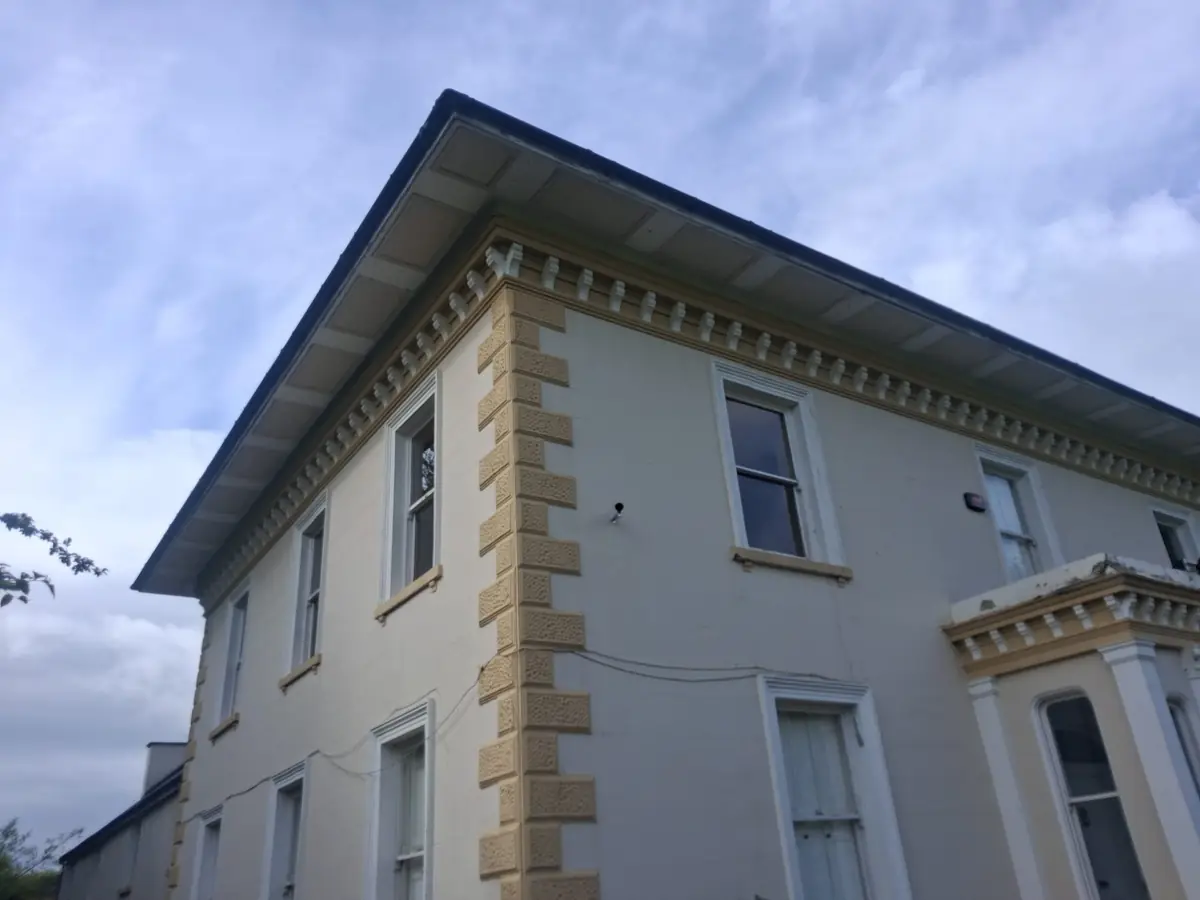

What Irish Homeowners Should Know
The Minister for Housing has signalled an easing of rural planning restrictions, making it more straightforward for people with local ties to build one-off homes in the Irish countryside. For homeowners considering a self-build, an extension, or replacing an older rural property, this likely means fewer hurdles around the local needs test, but design, siting, wastewater and roofing standards will still apply.
This article walks through what the shift practically means, what has not changed, and how to prepare a rural site, including the building-envelope decisions around roofing and guttering that planners and Building Control still scrutinise carefully.
The Department is updating the criteria local authorities use when deciding one-off rural housing applications. The current local needs rules, which typically require an applicant to demonstrate a residential or economic tie to the area, have been criticised as overly restrictive. The forthcoming guidelines are expected to:
What is not changing: the need for a valid percolation test, compliance with the relevant County Development Plan, Building Regulations Parts A-M, BER requirements under Part L, and the standard fire-safety, structural and weather-tightness rules that govern every new or renovated home in Ireland. Every new rural home still needs to be signed off by an Assigned Certifier.
The easing should matter most to four groups:
If you fall into one of these groups, the practical takeaway is to start preparing your site file before the new guidelines bed in and applications increase. A pre-planning meeting with the local authority is free and genuinely useful at this stage.
Easier planning does not mean light-touch planning. Three areas continue to derail rural applications and renovations more than any others.
Every rural site outside a public sewer network needs an EPA-compliant on-site wastewater treatment system. A site characterisation report must be carried out by a suitably qualified assessor and submitted with the application. Without a pass, planning permission for a new dwelling will not be granted. Confirm costs for the test and the treatment system with a qualified installer before drawing up your budget.
Even under the eased rules, planners will still apply design guidance from the Department's Sustainable Rural Housing Guidelines and from county-level Rural Design Guides. Expect close scrutiny of:
This is where roofing decisions become planning decisions. A poorly specified roof profile is a common cause of conditional permissions or revised drawings. If you are at the design stage, it is worth talking to a residential roofing specialist early, because material choice affects both planning compliance and the long-term running cost of the house.
Rural homes are often more exposed than urban ones. Properties in exposed western counties, including west Cork, Galway and Mayo, typically need:
Specifying the right rainwater system at design stage costs a fraction of retrofitting it after the first wet winter. On the Atlantic coast, material choice is not cosmetic, as our work in Clifden demonstrated.
If you already own a rural cottage or farmhouse, the planning easing matters less, but available grant support for vacant and derelict properties probably does. A sensible rural-home upgrade sequence is:
Doing the building envelope properly first means any SEAI grant support for heat pumps actually delivers on the modelled savings. The SEAI grants page sets out current eligibility. An independent roof inspection is the clearest first step for any rural refurb, telling the architect and grant administrator exactly what they are working with.
Our pricing guide covers indicative roof repair and replacement costs, and our team carries out inspections across Cork, Limerick, Galway and Dublin.
For any rural build or renovation, the roof and roofline represent a significant share of the building envelope budget. Recommended Roofing carries out full roof replacements and repairs across Cork, Limerick, Galway and Dublin, with indicative 2026 price ranges as follows:
Indicative 2026 price range in euro, VAT at 13.5% extra
All ranges are indicative and 2026. VAT at 13.5% applies on top. A free, no-obligation written quote is provided after an on-site inspection. Repair work carries a written guarantee of a minimum of 3 years, up to 10 years on major repair work. Replacement work carries a 10-year guarantee and the Lifetime Leak Guarantee on every full roof replacement.
If you are seriously considering a rural build or major renovation:
For homeowners in our service area in Cork, Limerick, Galway and Dublin, our team provides free, no-obligation quotes and written inspections. See our case studies and customer reviews for examples of recent work. To get started, visit our contact page or call your nearest team directly: Cork 021 2040925, Limerick 061 788600, Galway 091 622895, Dublin 01 2657795.
The Minister has indicated that updated guidelines are being prepared, with a consultation period before final adoption by local authorities. Exact timing will depend on each council's Development Plan review cycle. Check your local authority's planning notices for updates.
No. Environmental designations such as Special Areas of Conservation and Special Protection Areas, flood-risk zones, sight-line constraints on regional roads, and landscape-sensitive areas remain protected. The change is about who can apply successfully, not where housing is permitted.
No. Building Regulations Parts A to M, including Part L on energy and NZEB standards, Part F on ventilation and Part D on materials and workmanship, continue to apply in full. Every new home still needs to be signed off by an Assigned Certifier.
Yes. Any site not connected to a public sewer requires a site characterisation assessment under the EPA Code of Practice. Without a passing result, planning permission for a new dwelling will not be granted.
County Design Guides generally favour natural slate, fibre-cement slate or low-reflectance tile. Roof pitches of 30 to 45 degrees are typical for traditional rural forms. High-gloss or heavily reflective coverings are often refused in rural and conservation settings.
Properties in exposed western areas, including west Cork, Galway and Mayo, typically need mechanical clips on every tile or slate, code 4 to 5 lead flashings, and upsized guttering. A roofer experienced in your county should specify this at quotation stage.
Repair work carries a written guarantee of a minimum of 3 years, up to 10 years on major repair work. Full roof replacement carries a 10-year guarantee and the Lifetime Leak Guarantee. All guarantees are in writing and handed over before contracts are signed.
Indicative 2026 ranges: leak repair €400 to €2,500; emergency storm damage work €1,500 to €8,000; emergency securing or weatherproofing €200 to €800. VAT at 13.5% applies on top. A free written quote is provided after an on-site inspection.
Indicative 2026 ranges for a three-bed semi: concrete tile €8,000 to €18,000; natural slate €12,000 to €28,000. VAT at 13.5% applies on top. The final figure depends on roof area, pitch, access, chimney count and whether guttering is renewed at the same time.
Yes. The Vacant Property Refurbishment Grant and SEAI retrofit grants can be combined. Getting the roof and building envelope right first means any heat-pump or insulation grant delivers on its modelled savings. Check current eligibility on the SEAI grants page.
Yes. We carry out roof repairs, roof replacements and roof inspections across Cork, Limerick, Galway and Dublin, including rural properties in exposed coastal locations. All work is carried out by our own directly employed crews, not subcontractors.
Contact us to arrange a free, no-obligation on-site inspection. We assess the roof, produce a written quote and explain the guarantee before any contract is signed. Call Cork 021 2040925, Limerick 061 788600, Galway 091 622895 or Dublin 01 2657795, or use our contact page.
Roof Repairs in Ireland. Free survey, written fixed-price quote, 10-year guarantee.