
Looking for reliable roofers in Cork? Recommended Roofing is a CIRI-registered Irish roofing contractor (VAT IE04393055LH) serving Cork city, Douglas, Ballincollig, Midleton, Carrigaline and the wider county since 2019. Our directly-employed, SOLAS Safe Pass certified crews are trusted by Bank of Ireland for branch maintenance and approved by Clare County Council for public-sector contracts. We carry €6.5 million public liability and €13 million employer liability insurance, and every project — from emergency leak repair to complete re-roofing — is backed by a 10-year written workmanship guarantee. Over 2,000 Cork homeowners and businesses have already chosen Recommended Roofing.
Years Of Experience
Google Rating
Homes Protected

Emergency situations we handle:
Available 24/7, 365 days a year
For urgent situations across Cork
Since March 2019, we've built a reputation as Cork's trusted roofing specialists. Our experienced team understands the unique challenges of Cork's coastal climate and diverse property types, from Victorian terraces to modern developments.
We provide a 10-year workmanship guarantee on all projects, backed by full public liability insurance. Our commitment to quality means you can trust that your Cork property is protected for years to come.
Cork's Atlantic climate demands specialist knowledge. We use materials specifically rated for high rainfall, coastal winds, and temperature fluctuations, ensuring your roof withstands everything Cork's weather brings.
All our roofers hold relevant certifications and undergo continuous training. We follow strict safety protocols and maintain the highest standards of craftsmanship on every Cork roofing project.
No hidden costs or surprise charges. We provide detailed written quotes within 24 hours of site visits, with clear breakdowns of materials and labour specific to your Cork property.
Based in Cork, we offer rapid response times across the city and county. Whether you're in Ballincollig, Douglas, or Cobh, we're never more than a phone call away.
Professional roofing requires specialist knowledge of materials, techniques, and local building challenges. At Recommended Roofing, we provide comprehensive roofing solutions throughout Cork, including repairs, installations, maintenance, and emergency services. Our team understands the unique challenges Cork properties face, from coastal salt spray in Crosshaven to the exposed conditions in Blarney, combined with Cork’s Victorian housing stock and modern developments requiring different approaches.
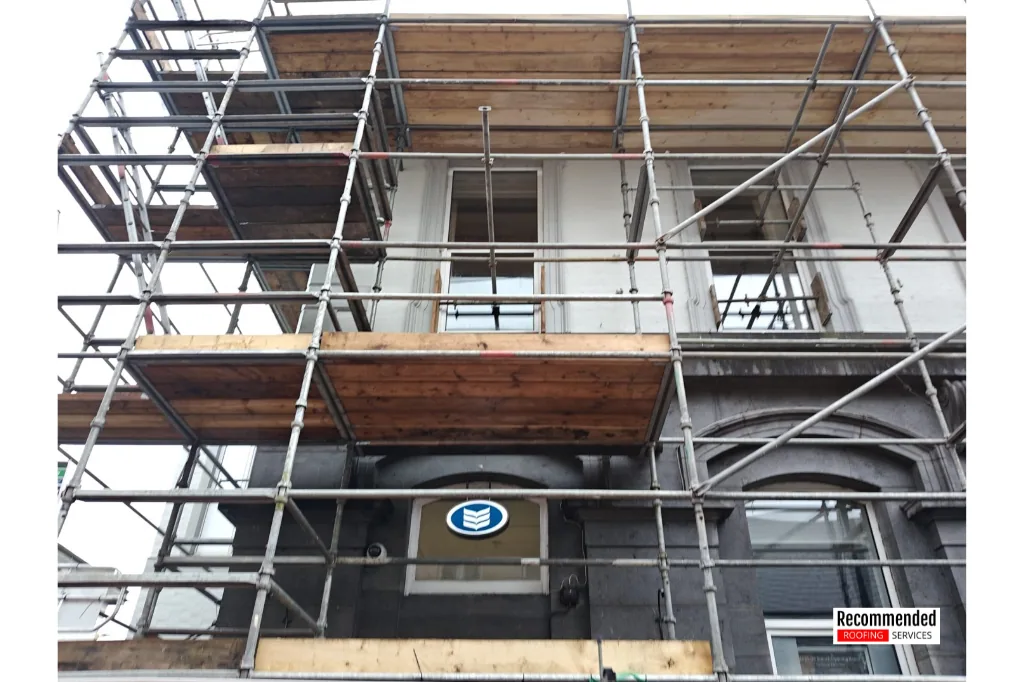
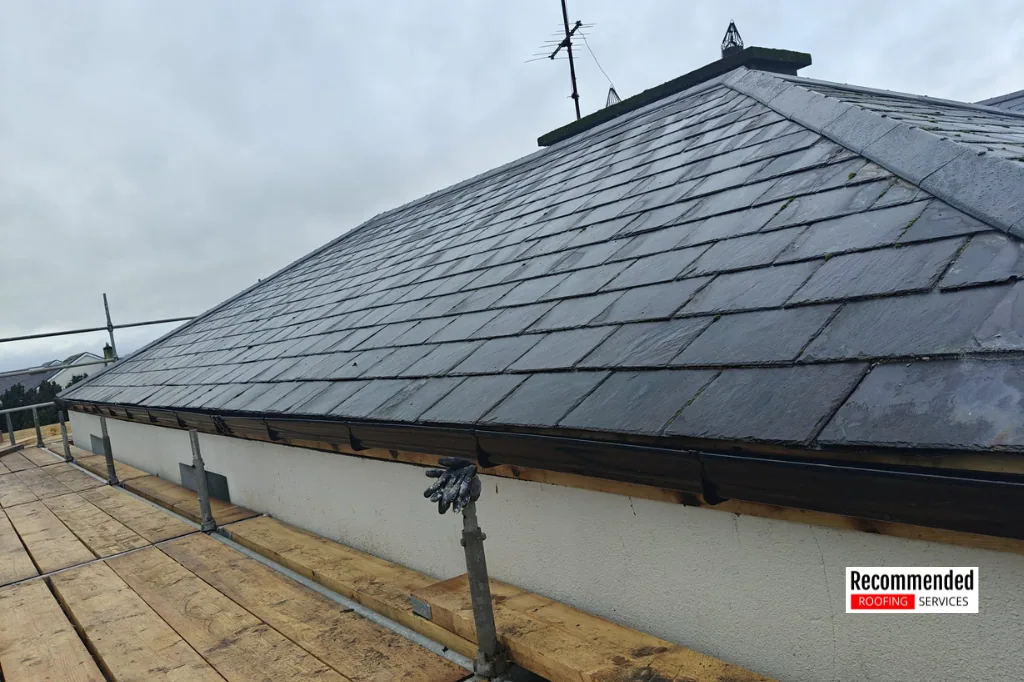
Professional roofing encompasses the complete spectrum of roof-related services, from minor repairs to full replacements. It involves assessing structural integrity, selecting appropriate materials for Cork’s maritime climate, installing weatherproof systems, and ensuring compliance with Irish building regulations. Cork’s location on the south coast means roofs must withstand high rainfall averaging 1,200mm annually, Atlantic winds, salt exposure, and temperature fluctuations. Specialist expertise is essential because roofing work involves working at height, understanding load-bearing structures, managing water drainage, integrating with existing building elements, and selecting materials suited to specific property types. Common scenarios requiring professional roofing in Cork include storm damage from Atlantic weather systems, age-related deterioration in Victorian and Edwardian properties, moss and algae growth in Cork’s damp climate, leak repairs in period properties with complex roof valleys, and modernising flat roofs on extensions.
Roofing work in Cork ranges from straightforward tile replacements to complex heritage restoration projects. Simple repairs might involve replacing a handful of slates on a modern property, while complex projects include complete re-roofing of Victorian terraces with multiple chimneys, valleys, and original features requiring conservation. Technical considerations include roof pitch affecting material selection, exposure levels determining fixings and specifications, property age influencing structural approaches, access challenges in Cork’s densely-built city centre, and integration with existing features like chimneys and dormers. Cork’s coastal location adds complexity through salt exposure requiring marine-grade materials, higher wind zones demanding enhanced fixings, and increased moisture levels affecting material choices. Different property types in areas like Montenotte, Douglas, and Ballincollig require distinct approaches based on architectural style, age, and exposure.
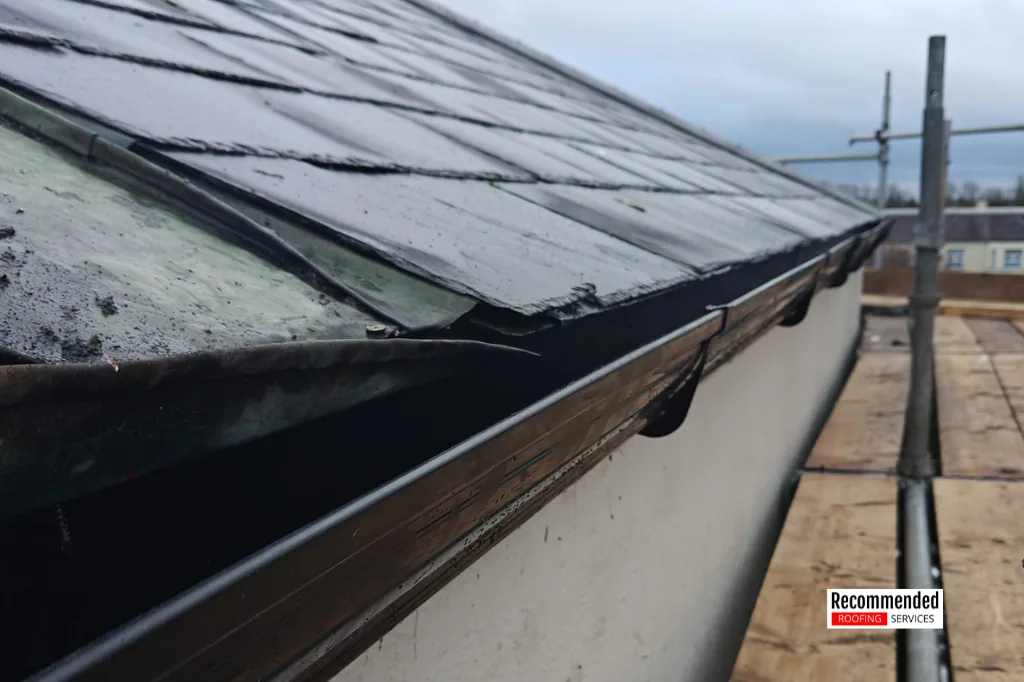
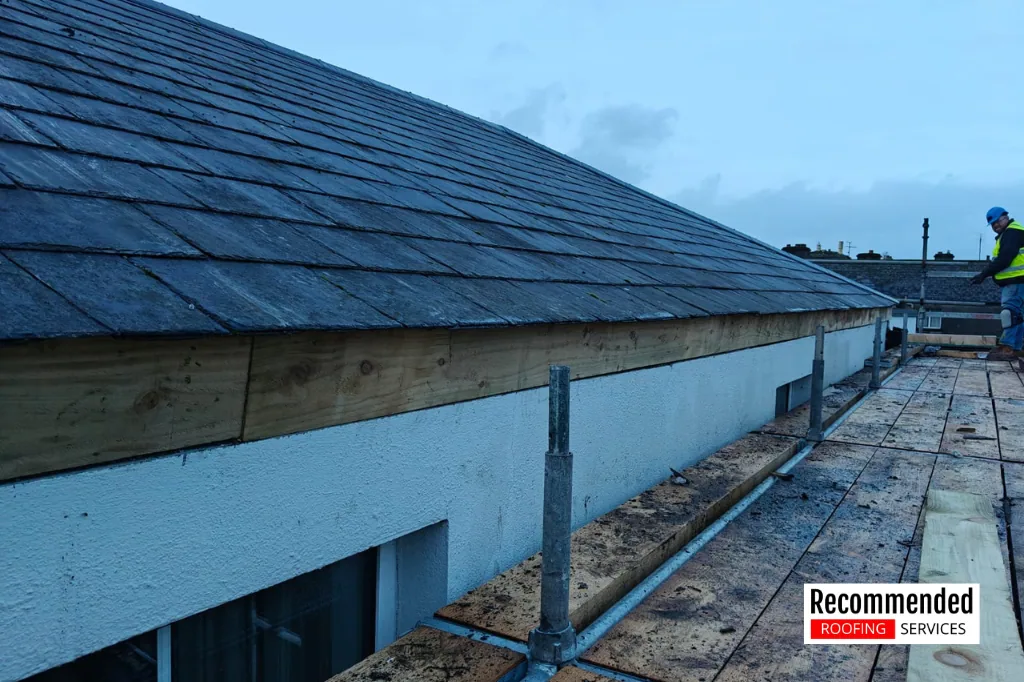
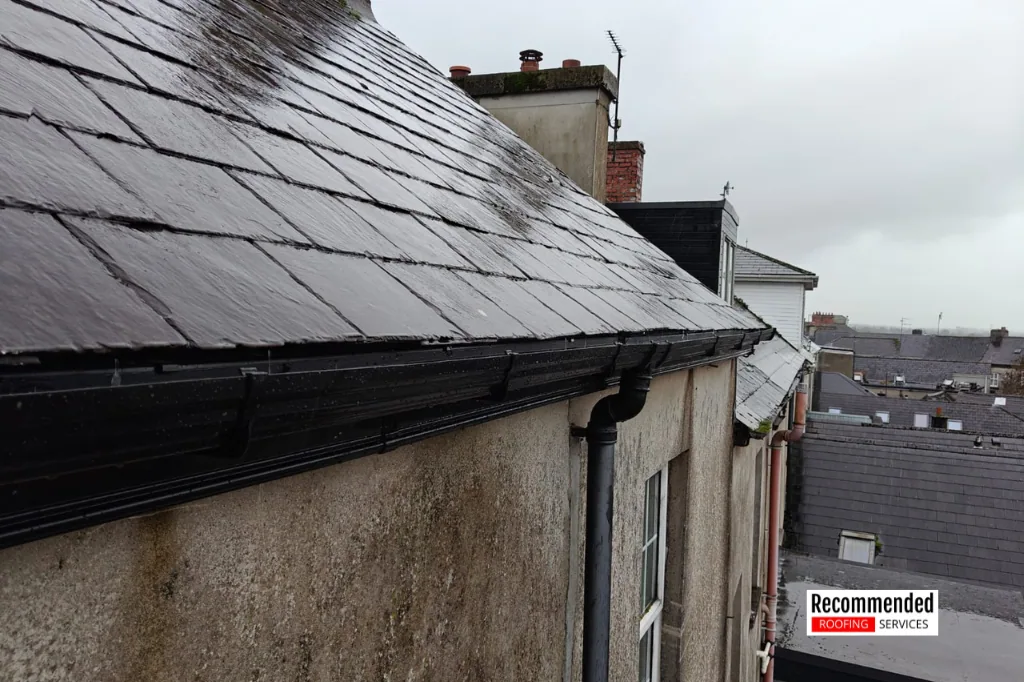
Cork receives approximately 1,200mm of rainfall annually, with the wettest months typically between October and January. This high precipitation level places significant demands on roofing systems, requiring robust waterproofing and efficient drainage. Our approach involves using breathable membranes like SIG Roofing TF200 that allow moisture to escape while preventing water ingress, installing properly sized guttering systems to handle Cork’s heavy rainfall events, ensuring adequate roof pitch for water runoff, and incorporating valley gutters and flashings designed for high water volumes. Cork’s location on the south coast means sustained rainfall periods are common, making quality installation and materials selection critical. We also recommend regular gutter clearing, particularly after autumn leaf fall, as blocked drainage can cause water backup and roof damage. Properties in exposed locations around Cork Harbour and hilltop areas require additional consideration for wind-driven rain.
Cork’s winter months bring a combination of challenges including Atlantic storms, strong winds, temperature fluctuations, and occasional frost. Properties in Cork city postcodes and surrounding areas face varying exposure levels, with coastal areas experiencing stronger winds and salt spray. Our winter protection approach includes using wind-rated slates and tiles meeting BS 5534 standards for Cork’s wind zones, installing mechanical fixings rather than relying solely on nibs for enhanced security, incorporating breathable underlay systems that prevent condensation buildup, and ensuring adequate ventilation to prevent ice dam formation in cold snaps. Victorian and Edwardian properties in areas like Montenotte and Sunday’s Well require particular attention due to complex roof geometries with multiple valleys and chimneys. We recommend pre-winter roof inspections to identify and address potential weak points before storm season arrives.
Cork’s maritime climate creates specific seasonal maintenance requirements throughout the year. Spring inspections following winter should check for storm damage, displaced slates or tiles, gutter clearing after winter debris accumulation, checking flashings around chimneys and dormers, and inspecting for moss and algae growth which thrives in Cork’s damp conditions. Autumn preparations before winter include comprehensive gutter and downpipe clearing, checking valley gutters for debris buildup, inspecting and repairing any loose or damaged materials, ensuring ventilation systems are clear and functional, and addressing any moss growth before winter exacerbates it. Cork’s relatively mild winters with occasional frost mean expansion and contraction cycles can affect materials, particularly on older properties. Moss and algae are particularly problematic in Cork due to high humidity and frequent rainfall, requiring biocide treatments on susceptible roofs. Properties near trees in leafy Cork suburbs like Douglas and Bishopstown need more frequent gutter maintenance, while coastal properties require regular inspection for salt damage effects on metal components.
Cork’s architectural heritage spans from Georgian grandeur to contemporary developments, each requiring specialist roofing knowledge. The city centre features Victorian and Edwardian terraces with slate roofs and complex chimney arrangements, while suburbs contain varied property styles from 1930s semi-detached homes to modern estates. Conservation areas in St Luke’s, Blackrock village, and Sunday’s Well demand sympathetic restoration approaches. Understanding these distinct property types is essential for appropriate roofing solutions.
Cork’s Victorian and Edwardian housing stock, predominantly built between 1850-1910, characterises much of the city centre and established neighbourhoods. These properties feature natural slate roofs with pitches typically between 40-50 degrees, original lime mortar bedding and pointing requiring sympathetic repair techniques, complex roof geometries with multiple valleys and hips, decorative ridge tiles and finials specific to the period, and cast iron or lead guttering and downpipes in many cases. The Montenotte area showcases particularly fine examples with intricate slate patterns and quality craftsmanship. Original slates were often Welsh or Irish Blue Bangor, requiring careful matching for repairs. These roofs demand specialist understanding because modern cement-based materials can damage original structures through incompatible flexibility and moisture management. Planning permission considerations apply in conservation areas including St Luke’s Cross, where Cork City Council requires materials and approaches maintaining historic character. Period properties often feature natural slate in blue-grey, grey-green, or purple hues depending on original quarry sources, making accurate colour matching essential for sympathetic repairs that preserve Cork’s Victorian streetscapes.
Properties built from 1990 onwards throughout Cork’s expanding suburbs use contemporary construction methods and materials. Modern Cork homes typically feature concrete or artificial slate roof coverings with lighter weight than traditional materials, engineered timber roof structures with trussed rafters, breathable membrane and modern insulation systems meeting current building regulations, and factory-produced ridge and hip systems ensuring consistent weatherproofing. Developments in Ballincollig, Carrigaline, Little Island, and Glanmire showcase these building approaches. Modern materials offer advantages including consistent sizing and quality control, extensive manufacturer warranties up to 60 years, easier replacement with readily available matching materials, and compliance with current thermal efficiency standards. However, repairs require understanding of specific product lines as manufacturers change specifications over time. Modern concrete tiles commonly appear in terracotta, slate grey, brown, and black finishes, with textured surfaces mimicking traditional slate or offering contemporary smooth aesthetics. These developments benefit from modern drainage design but still require proper installation and maintenance to achieve their potential lifespan in Cork’s challenging climate conditions.
Cork contains numerous protected structures and designated conservation areas requiring careful approach to roof repairs and replacements. Notable conservation areas include St Luke’s Cross, with its Victorian commercial and residential buildings, Blackrock village, featuring elegant period architecture, Sunday’s Well and Montenotte, showcasing substantial Victorian and Edwardian villas, and South Main Street area with Georgian and Victorian commercial premises. Protected structure designation means planning permission is required for any works affecting character, including roofing repairs using different materials or techniques. Our approach involves consulting Cork City Council’s conservation officer early in the planning process, using traditional materials including natural slate, lime mortar, and cast iron or lead where original, matching existing roof coverings exactly in colour, size, and texture, employing traditional fixing methods appropriate to the period, and documenting work thoroughly for building control and conservation compliance. These projects require craftspeople experienced in heritage techniques as modern approaches can damage historic fabric. The goal is retaining Cork’s architectural heritage while ensuring buildings remain weathertight and functional for contemporary use, balancing conservation requirements with practical performance needs.
Properties within 5km of Cork’s coastline, including areas like Crosshaven, Passage West, Ringaskiddy, Cobh, and parts of Cork Harbour, face additional challenges from salt-laden Atlantic winds. Coastal exposure accelerates deterioration of metal components, with standard steel fixings corroding rapidly, requires marine-grade stainless steel or copper fixings throughout, affects roof coverings through salt crystallisation and wind-driven rain, and demands more frequent maintenance inspections to catch developing issues. We specify materials with severe exposure ratings for these locations, including mechanical slate and tile fixings rated for coastal wind zones, stainless steel or lead flashings avoiding standard galvanised steel, and protective coatings on any exposed metal components. Properties in Myrtleville, Roberts Cove, and other south-facing coastal locations experience particularly aggressive conditions from Atlantic weather systems. Salt spray can penetrate several kilometres inland depending on wind patterns, affecting properties not immediately obvious as coastal. Regular maintenance is crucial in these locations, with annual inspections recommended versus biennial for inland Cork properties. Coastal properties may also require enhanced ventilation to prevent moisture-related issues from the humid marine environment.
Property Type: Victorian terraced house (circa 1880)
Timeline: Completed in 7 working days
A homeowner on Wellington Road contacted us after experiencing severe leaks during winter storms. The property, a typical Victorian terrace in Cork’s city centre, featured original natural slate that had deteriorated over 140 years. Multiple slates were missing or broken, valley gutters showed signs of failure, and original lime mortar had degraded significantly. Being in a conservation area, planning requirements demanded sympathetic restoration using traditional materials and techniques. The complex roof geometry with multiple chimneys and a rear return extension added technical challenges requiring specialist Victorian roofing knowledge.
We began by conducting a thorough roof survey and consulting with Cork City Council’s conservation officer to ensure compliance. The restoration involved sourcing Tegral Blue-Grey natural slate matched precisely to the original Welsh slate in size, colour, and texture. We installed SIG Roofing TF200 breathable membrane throughout while retaining the traditional rafter and batten structure. All valleys were re-lined using Code 4 lead to BS standards, with traditional lead welts and proper drainage falls. We re-pointed ridge tiles using natural hydraulic lime mortar rather than cement, preserving the roof’s ability to flex and breathe as originally designed. Chimney flashings received new Code 4 lead installations with traditional soakers and stepped flashings. Copper nails were used throughout for longevity and corrosion resistance in Cork’s damp climate. The project required careful scaffolding design to protect the narrow street frontage typical of Cork’s Victorian terraces.
The completed restoration preserved the property’s Victorian character while ensuring complete weatherproofing for decades ahead. The homeowner received Cork City Council conservation approval, and the work meets building regulation requirements. Our 10-year workmanship guarantee alongside 60-year slate warranties provide comprehensive protection. The roof now handles Cork’s rainfall efficiently, and the breathable construction prevents moisture-related issues while maintaining the building’s historic fabric. Two years later, the roof remains leak-free through multiple Atlantic storm seasons.
Property Type: 1930s semi-detached house
Timeline: Emergency repair same day, permanent repair completed within 4 days
Following a severe Atlantic storm in January, a homeowner in Sunday’s Well discovered extensive water damage to their upstairs bedrooms. High winds had lifted several courses of concrete tiles from the exposed south-west facing roof pitch. The property sits on elevated ground with significant wind exposure typical of Cork’s hillside locations. Water ingress had damaged ceiling plasterwork and posed risks of further structural damage if not addressed immediately. The urgency demanded rapid response during ongoing unsettled weather conditions.
We responded within 3 hours of the emergency call, arriving with materials and equipment for immediate temporary weatherproofing. We installed heavy-duty tarpaulins securely fastened to prevent further water ingress while planning the permanent repair. Assessment revealed that wind uplift had failed the original concrete tile installation due to inadequate mechanical fixings for Sunday’s Well’s exposed location. The permanent repair involved installing Marley Eternit Modern roof tiles mechanically fixed to meet enhanced wind zone requirements for Cork’s hillside areas. We used SIG Roofing TF200 breathable membrane throughout, replaced damaged battens, and ensured proper tile clips and stainless steel fixings for every tile on the exposed elevation. The work included coordinating with the homeowner’s insurance company, providing detailed documentation and photographs supporting the claim for storm damage.
The rapid emergency response prevented further water damage to the property’s interior, and the mechanically-fixed permanent repair ensures the roof withstands future Cork storms. The insurance company accepted our documentation, and the claim proceeded smoothly. The completed work includes our 10-year workmanship guarantee alongside Marley’s 60-year tile guarantee. The homeowner gained peace of mind knowing their exposed Sunday’s Well property now has a roof specification suited to its challenging location, with mechanical fixings providing security against Atlantic winds.
Property Type: Victorian end-terrace with modern extension
Timeline: Completed in 3 working days
A homeowner in Blackrock village required a new flat roof for their recently-constructed rear extension. The existing felt roof installed by builders had failed after just 18 months, showing signs of ponding, blistering, and leaking at the perimeter flashings. Being in Blackrock conservation area added complexity regarding materials and finishes visible from neighbouring properties. The extension roof needed integration with the main Victorian house structure while providing long-term weatherproofing suited to Cork’s high rainfall. Access was restricted by the narrow rear garden typical of Cork’s Victorian terraces.
After assessing the existing structure, we recommended complete removal of the failed felt system and installation of a premium Firestone RubberGard EPDM rubber roofing system. This material choice offers superior longevity compared to felt, with a 20-year guarantee and expected lifespan exceeding 50 years in Irish conditions. We stripped the existing roof back to the timber deck, checked and reinforced the decking where necessary, and installed new OSB boarding to provide a smooth, stable substrate. The Firestone EPDM membrane was fully bonded using approved adhesives, with careful detailing at the perimeter upstands to prevent the ponding issues affecting the previous roof. We installed Code 4 lead flashings at all abutments to the main house, ensuring proper lapped joints and weatherproofing. The new roof includes slight falls engineered into the deck structure, directing water to purpose-installed outlets and preventing standing water. Aluminium edge trims provide a neat finish and protection to vulnerable edges.
The completed EPDM flat roof installation transformed the extension from a problematic leak source to a fully weatherproof structure with minimal maintenance requirements. The superior material choice means the homeowner can expect decades of trouble-free performance in Cork’s challenging climate. Our 10-year workmanship guarantee combines with Firestone’s 20-year material guarantee for comprehensive protection. The black EPDM membrane suited Blackrock conservation area requirements with its unobtrusive appearance. Two years after installation, the roof remains completely watertight with no signs of deterioration, successfully handling Cork’s heavy rainfall throughout multiple winters.
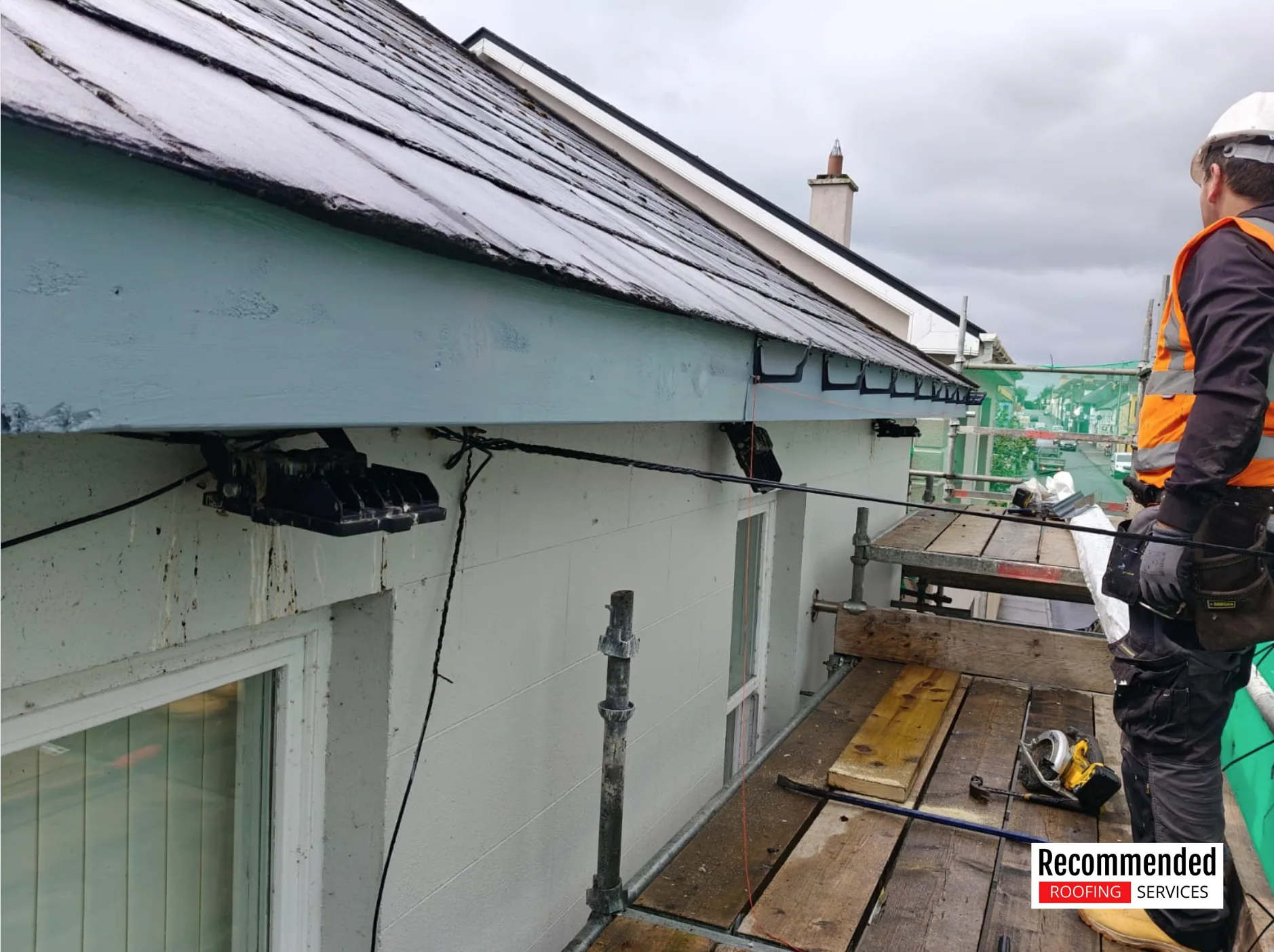
Roofing work in Cork must comply with Irish Building Regulations, primarily Part D (Materials and Workmanship) covering material standards and installation quality. Part L (Conservation of Fuel and Energy) applies when roofing work affects thermal performance, requiring adequate insulation and ventilation. Roof coverings must meet fire resistance standards under Part B. For structural alterations affecting roof loading, Part A (Structure) compliance is necessary. Cork City Council and Cork County Council operate Building Control systems requiring Commencement Notices for significant roofing projects and Certificates of Compliance on completion. Minor repairs typically fall under exempted development, but complete re-roofing requires notification. At Recommended Roofing, we handle all building control paperwork, ensuring your Cork project meets current regulations. We work closely with assigned certifiers where required and maintain detailed records for compliance purposes. Our team stays current with regulation changes to ensure every Cork roofing project achieves full compliance.
Most roof repairs and replacements in Cork are exempted development not requiring planning permission, provided materials and design remain substantially unchanged. However, planning permission IS required for roofing work on Protected Structures listed by Cork City Council or Cork County Council, work in designated Conservation Areas including St Luke’s, Blackrock village, and parts of Montenotte, material changes to roof covering type or colour visible from public roads, raising roof height or altering roof pitch significantly, and adding dormer windows or roof lights in prominent locations. Cork’s planning authorities assess applications based on architectural heritage guidelines and neighbouring property impacts. If your Cork property is in a conservation area or is a Protected Structure, we recommend early consultation with the council’s planning department. Recommended Roofing has extensive experience preparing planning applications for Cork roofing projects, including detailed drawings and material specifications. We can guide you through the process and liaise with Cork’s planning offices on your behalf. Applications typically take 8-12 weeks for decisions, which we factor into project timelines.
Cork’s Atlantic maritime climate significantly impacts roofing work scheduling, with high rainfall and wind creating weather windows requiring careful planning. Heavy rain prevents most roofing installation work, particularly felt and EPDM flat roofing systems requiring dry conditions for adhesion. Wind speeds above 40km/h create unsafe working conditions for roofing at height, and we halt work when forecasts predict such conditions. Temperature considerations affect material handling, with some products requiring minimum temperatures for optimal installation. Cork’s wettest period runs October through January, when weather delays are most frequent, though emergency repairs proceed regardless of conditions using temporary weatherproofing. Spring and early summer typically offer the best weather windows for planned Cork roofing projects. At Recommended Roofing, we monitor Cork weather forecasts continuously and maintain flexible scheduling to maximise productive working days. For urgent projects, we can complete work in sections, making each area weathertight daily to manage weather risks. Indoor preparation work including cutting materials and preparing flashings continues during poor weather. Emergency repairs receive immediate response 24/7 in any weather, with temporary waterproofing followed by permanent repairs when conditions allow. We keep clients informed about weather-related schedule adjustments and always prioritise leaving your Cork property secure at the end of each working day.
Insurance claims for storm damage to Cork roofs require prompt action and proper documentation to support your claim. First, contact your insurance company immediately to notify them of the damage, noting your policy number and obtaining a claim reference. Take extensive photographs of all damage from ground level safely, including wide shots showing the overall roof and close-ups of specific damage. Document any interior water damage to ceilings, walls, and belongings. Recommended Roofing provides detailed assessment reports for insurance purposes, including photographs, descriptions of damage extent, and estimates for repair costs broken down by materials and labour. We coordinate with insurance-appointed loss adjusters, attending site visits to explain the technical aspects and required work scope. Our reports reference storm dates and weather conditions recorded by Met Éireann to establish the damage cause. Most Cork household insurance policies cover sudden storm damage, though policy excesses apply typically ranging €100-€300. We can provide emergency temporary repairs to prevent further damage while claim assessment proceeds, with costs often covered under your policy. Once the claim is approved, we proceed with permanent repairs using specifications matching your policy requirements. We handle insurance company communications and provide any additional documentation requested, making the claims process as smooth as possible for Cork homeowners dealing with storm damage stress.
Roof lifespan in Cork varies significantly based on materials, installation quality, maintenance frequency, and exposure level. Natural slate roofs professionally installed can last 80-100 years or more in Cork conditions, with many Victorian slate roofs still performing after 140 years. Modern concrete tiles from manufacturers like Marley Eternit typically last 60+ years with proper installation and maintenance. Artificial slate products have expected lifespans of 40-60 years depending on quality. Flat roofing lifespans vary considerably: traditional felt systems last 15-20 years, EPDM rubber roofing lasts 50+ years, and GRP fibreglass systems last 40-50 years. Cork’s high rainfall and salt exposure in coastal areas accelerate deterioration compared to drier inland Irish locations, reducing these lifespans by 10-20% for some materials. Installation quality dramatically affects longevity – properly installed roofing with adequate ventilation, correct fixings, and proper flashings will reach its potential lifespan, while poor installation can halve expected performance. Regular maintenance extends roof life significantly by addressing minor issues before they become major problems. Signs indicating roof replacement is needed include multiple leaks in different areas, extensive moss growth holding moisture, sagging roof lines indicating structural issues, and missing or broken roof coverings affecting more than 30% of the surface. At Recommended Roofing, we provide honest assessments of remaining roof life for Cork properties, advising whether repair or replacement offers better long-term value.
Recommended Roofing provides comprehensive guarantees on all Cork roofing projects for complete peace of mind. Our workmanship guarantee covers 10 years from completion date, protecting against any defects in our installation work including material fixing, flashing installation, and weatherproofing details. This guarantee covers labour costs to rectify any workmanship issues identified during the guarantee period. Material manufacturer warranties apply separately, ranging from 20 years for premium EPDM systems to 60 years for quality slate and concrete tiles. These manufacturer warranties cover material defects and degradation beyond expected parameters. We pass all manufacturer warranties directly to clients with full documentation. Insurance-backed guarantee options are available through independent providers like CGHAS (Construction Guarantees Home Assurance Scheme), offering protection continuing even if our company ceased trading, though with our 5+ years established Cork presence this provides additional reassurance for major projects. Our guarantees cover storm damage repairs, complete re-roofing projects, flat roof installations, and all significant roofing work. Routine maintenance work carries 12-month guarantees. Claims under guarantee are straightforward – simply contact us, we inspect within 48 hours, and rectify any covered issues promptly at no charge. Guarantees are transferable to new property owners, adding value when selling your Cork home. We maintain detailed records of all projects and guarantee terms, providing replacement documentation if original paperwork is lost.
Roofing work is possible year-round in Cork with appropriate planning and weather-dependent scheduling. Each season presents different conditions affecting work approaches. Winter (December-February) offers shorter daylight hours and frequent rainfall requiring flexible scheduling, cold temperatures affecting some material handling, and storm activity necessitating secure daily weatherproofing. However, emergency repairs proceed regardless of conditions. Spring (March-May) provides improving weather and longer days making it optimal for planned Cork roofing projects, though April showers still create weather delays. Summer (June-August) offers the most reliable weather windows, warmest temperatures for material handling, and longest working days allowing maximum productivity, though Cork’s summer weather remains changeable. Autumn (September-November) sees increasing rainfall and approaching winter requiring completion before worst weather, but early autumn often provides good working conditions. Emergency roofing repairs receive immediate 24/7 response throughout the year regardless of weather, with temporary weatherproofing making properties secure followed by permanent repairs when conditions allow. Weather-independent preparatory work including measuring, material cutting, and flashing fabrication can proceed indoors during poor weather. At Recommended Roofing, we maintain realistic scheduling accounting for Cork’s weather patterns, advise on optimal timing for your specific project, and keep clients informed about any weather-related adjustments. We never compromise safety or quality to meet deadlines when weather conditions are unsuitable.
Period properties in Cork, particularly Victorian and Edwardian buildings dating from 1850-1910, require specialist roofing approaches respecting their construction methods and materials. Traditional roof structures use natural materials including natural slate roof coverings from Welsh or Irish quarries, lime mortar bedding and pointing rather than modern cement, timber roof structures with traditional purlins and rafters rather than modern trusses, and cast iron or lead drainage and flashing details. These materials must be maintained using compatible traditional techniques because modern cement-based mortars are too rigid and prevent necessary movement, causing cracking and damage, while modern ventilation approaches can conflict with traditional breathability requirements. Matching existing roof coverings requires careful sourcing of natural slate in correct sizes, thicknesses, and colours matching original quarries. Cork’s conservation areas including St Luke’s and parts of Montenotte demand particular attention to maintaining architectural character. Planning permission may be required for material changes on Protected Structures. Traditional craftsmanship including proper slate coursing, traditional valley lining techniques, lime mortar bedding allowing flexibility, and hand-dressed lead work is essential for authentic restoration respecting period construction. At Recommended Roofing, our team includes craftspeople experienced in heritage roofing techniques for Cork’s Georgian, Victorian, and Edwardian properties. We consult Cork City Council’s conservation officer when required and source authentic materials maintaining your property’s architectural integrity while ensuring modern weatherproofing performance meeting your needs.
Get Free Quote
Recommended Roofing,
Unit 3D North Point House,
North Point Business Park,
New Mallow Road,
Cork
T23 AT2P
Ireland
Roofing costs in Cork vary based on property type, roof size, materials selected, access challenges, and work complexity. We provide transparent pricing with detailed written quotes within 24 hours of site visits. All prices include VAT at 13.5% and exclude any scaffolding hire if required. The following represents typical price ranges for roofing work in Cork during 2025. Every property is unique, so we provide free, no-obligation quotes tailored to your specific requirements.
| Service Type | Typical Price Range (€) | Factors Affecting Cost |
|---|---|---|
| Minor Roof Repairs | €250 - €900 | Number of slates/tiles, access difficulty, flashing work required |
| Roof Restoration | €3,500 - €9,000 | Roof size, extent of repair work, material type, structural work needed |
| Complete Re-Roofing | €9,000 - €28,000+ | Property size, material choice (slate/tile), chimneys, complexity of roof geometry |
| Flat Roof Installation | €90 - €170/m² | Material system (felt/EPDM/GRP), access, existing structure condition |
| Emergency Repairs | €350 - €1,800 | Time of call-out, temporary vs permanent work, materials required urgently |
| Valley Repairs | €600 - €2,500 | Length of valley, lead or alternative, surrounding slate/tile work |
| Chimney Repairs | €400 - €2,000 | Extent of repointing, flashing replacement, structural repairs, access |
Important Information:
24/7 emergency roof response across Cork for storm damage, sudden leaks, and urgent weatherproofing. Rapid temporary make-safe followed by permanent repair — minimising water damage to ceilings, insulation, and contents.
Complete guttering services including cleaning, repairs, and replacement. PVC and cast iron systems installed. Proper drainage is essential given Cork's 1,200mm annual rainfall levels.
Detailed roof inspections across Cork — slate condition, lead flashings, ridge tiles, gutters, valleys, chimneys and flat-roof membranes. Photographic report with priority repair list. Ideal pre-purchase, pre-winter, and after-storm.
Professional commercial roofing services throughout Cork City & County using EDPM, rubber roofing as well as cladding roofing, we have provided regular commercial roofing for businesses in Littleisland and Cork City.
Specialist flat roofing installation and repairs using premium EPDM, GRP, and felt systems. Ideal for Cork extensions, garages, and commercial properties requiring long-lasting weatherproof solutions.
Professional roof repairs throughout Cork for all property types. From single slate replacements to extensive storm damage restoration. Quick response times and quality workmanship guaranteed across Cork city and county.
Full roof Renovation services using premium materials. Whether your roof has reached end of life or sustained severe damage, we provide comprehensive reroofing for all Cork property types.
Specialist roof installation for Cork including roof replacements. New roof installations done usually in 3 to 4 days and slightly less for roof extensions. Get in touch with you us for a free quote for your roof installation in Cork
Recommended Roofing provides expert roofing services across Cork city, Cork county, and surrounding areas. Since 2019, we’ve built a reputation for reliability, quality workmanship, and customer satisfaction throughout the region. Whether you’re in Cork city centre, suburban areas, or county locations, we deliver the same exceptional service quality.
Looking for reliable roofers near you in Cork? Recommended Roofing has you covered across Cork city, county, and surrounding areas. With local Cork knowledge and professional standards, we’re your trusted partner for roofing wherever you are. Our Cork-based teams ensure rapid response times for emergencies and efficient scheduling for planned projects. Since 2019, we’ve helped thousands of Cork homeowners and businesses with their roofing needs, building a reputation for quality workmanship and customer service.
Extended Coverage: We also regularly complete roofing projects in areas surrounding Cork including East Cork towns, West Cork coastal areas, and North Cork locations. Contact us to confirm service availability in your specific area – we’re often able to help even outside our core Cork service region.
021 2040925
Unit 3D North Point House,
North Point Business Park,
New Mallow Road, Cork,
AT2P, Ireland
061 788600
River Court Business Centre
Cornmarket Row
Limerick
V94 FVH4